
How do government shutdowns or funding disruptions affect the aviation security workforce, particularly TSA officers, and what risks could that create for the system?
Periods of global conflict can increase the risk of retaliatory violence and opportunistic attacks at home. When geopolitical tensions escalate—such as a potential war involving Iran—it can inspire individuals who may have already been contemplating violence to cross the line and act.
Conflicts abroad can embolden sympathizers, lone actors, and loosely organized groups already inside the United States. These individuals may view attacks on U.S. targets as retaliation or as a way to advance ideological goals. Government agencies, critical infrastructure, and high-visibility public locations often become targets of opportunity.
One of the concerns security professionals watch closely in these situations is the possibility of “sleeper cells” or individuals who have quietly positioned themselves to act when conditions become favorable. It’s important to understand that these threats do not necessarily require sophisticated, well-organized networks. Even small, loosely connected groups—or individuals acting alone—can coordinate enough to attempt an attack.
Given the current threat environment, it would not be surprising to see federal authorities elevate the national threat level in order to increase awareness and preparedness across the country.
Why Aviation Remains a Symbolic Target
Aviation has long been viewed as a symbolic target for those seeking to create disruption and fear. An attack—or even the credible threat of one—can have a massive ripple effect on the traveling public and the broader economy.
The aviation system is highly interconnected and, in many ways, fragile. We’ve seen this recently with bomb threats at airports that resulted in entire facilities being shut down for hours. While public safety must always remain the top priority—and I support the difficult decisions safety officials make in the moment—there also needs to be a balance between ensuring safety and maintaining the continuity of the aviation system.
If entire airports are routinely shut down over unspecified bomb threats, it creates a vulnerability in itself. In theory, someone with a handful of burner phones could repeatedly call in threats and disrupt air travel nationwide. That’s not a sustainable situation for the aviation industry or the traveling public.
This is not a criticism of the airports that have recently taken precautionary actions. I was not present during those incidents and do not have access to the intelligence or information that officials relied on to make their decisions. However, it does highlight the need for continued work across agencies to develop better strategies for handling these types of threats.
Addressing this challenge will require coordination among the Department of Homeland Security, the FBI, ATF, local law enforcement, airport authorities, and the aviation industry. The goal should be improving how threats are assessed and managed so that safety remains paramount while minimizing unnecessary disruption to the national aviation system.
The Risk of an Unpaid Security Workforce
Another concern during government shutdowns or funding disruptions is the impact on the security workforce itself.
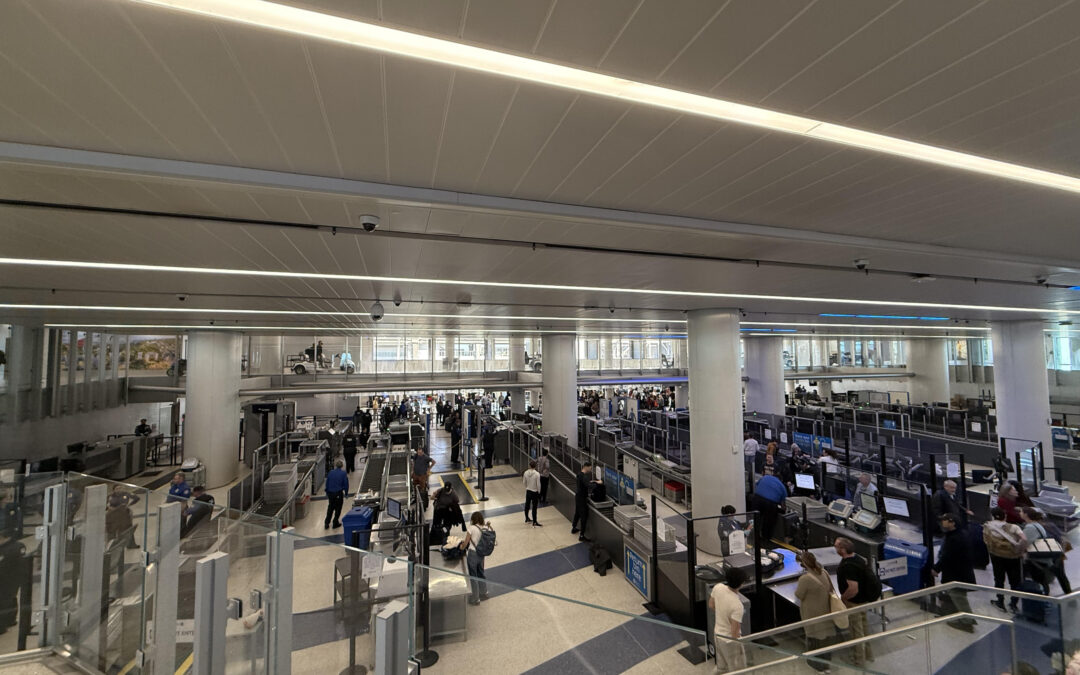
Transportation Security Administration (TSA) officers are a critical component of aviation security. When these professionals are not being paid, it creates several potential risks to the traveling public.
First, staffing levels may decline as some officers are unable to report for work due to financial pressures. Fewer personnel on duty means those who remain must take on additional responsibilities, leaving less time to focus on their primary screening duties.
Second, financial stress creates distraction. Security work requires intense focus and situational awareness. When employees are worried about how they will pay their bills, put food on the table, or support their families, it becomes harder to maintain that level of concentration. Distracted security personnel are less effective security personnel.
Despite these challenges, many TSA officers continue to report for duty and perform their responsibilities with professionalism and dedication. Their commitment to public safety under difficult circumstances deserves recognition and appreciation.
Every time I pass through an airport checkpoint, I’m reminded of the individuals who continue to show up and do their jobs—even when conditions make it incredibly difficult. Their work is an essential part of maintaining the safety and integrity of the aviation system.
Maintaining Vigilance
In times of geopolitical tension and domestic uncertainty, vigilance becomes even more important. The United States has developed robust security systems across aviation and critical infrastructure over the past two decades, but those systems rely heavily on people, coordination, and resources.
Maintaining strong security requires continued attention to funding, staffing, threat intelligence, and interagency cooperation. It also requires adapting strategies as new types of threats and tactics emerge.
The aviation system remains a critical component of the nation’s infrastructure and economy. Ensuring its security—while maintaining its ability to function—is a challenge that requires constant focus from both policymakers and security professionals.
FAQ:
Aviation Security During Global Conflict: Expert FAQ with Jeff Price
1. How can global conflicts increase security risks inside the United States?
Periods of geopolitical tension can motivate individuals who may already be considering violence to act. Conflicts abroad can embolden sympathizers, lone actors, or loosely organized groups inside the U.S. who see attacks on American targets as retaliation or as a way to advance ideological goals. Security professionals also monitor the potential for sleeper cells or individuals who have quietly positioned themselves to act when conditions become favorable.
2. Why is aviation often viewed as a symbolic target?
Aviation has long been considered a symbolic target because disruptions in the air transportation system can have an immediate and widespread impact. An attack—or even a credible threat—can affect thousands of travelers, disrupt the national economy, and generate significant public fear. Because of this visibility and interconnectedness, aviation systems often remain high on the list of potential targets for those seeking maximum disruption.
3. What vulnerabilities exist that could disrupt aviation without an actual attack?
One vulnerability is the ability to cause major disruption through bomb threats or other false alarms. When airports shut down entire terminals or facilities in response to threats, it demonstrates how fragile the system can be. In theory, someone could repeatedly call in threats using disposable phones and disrupt air travel across multiple locations. This highlights the need for improved threat assessment processes that protect safety while minimizing unnecessary disruption.
4. How do government shutdowns or funding disruptions affect aviation security?
Government shutdowns can create significant challenges for the aviation security workforce, particularly TSA officers. If personnel are not being paid, some may be unable to report to work due to financial pressures, which can reduce staffing levels. Additionally, financial stress can distract employees in roles that require constant focus and situational awareness. Both factors can create operational strain within the security system.
5. What should be done to maintain security during periods of heightened risk?
Maintaining aviation security requires strong coordination between federal agencies, local law enforcement, airport authorities, and industry partners. Agencies such as the Department of Homeland Security, FBI, and ATF must work closely with airport operators and airlines to assess threats and manage responses effectively. Continued investment in staffing, intelligence sharing, and operational coordination is essential to maintaining both security and system resilience.